From Ancient Forest to Solid Stone
Why does wood turn into stone, and why does furniture made from it command such a premium in the luxury design market?
Petrified wood is a true geological fossil. Formed over 20 to 40 million years, the process (known as petrification) replaces organic plant cells with crystalline minerals. The result is a material that retains the exact visual grain of an ancient tree but possesses the dense, heavy, and eternal structure of stone.
“A piece of petrified wood is quite literally a 30-million-year-old work of art, created by the earth itself.”
If you are an interior designer, architect, or wholesale buyer, understanding the material science behind petrified wood is crucial to specifying it correctly for your projects.
The Geological Petrification Process
How does a living tree transform into solid stone?
The process begins with a catastrophic natural event, such as a massive volcanic eruption (caldera explosion). When ancient forests were instantly buried beneath layers of volcanic ash and sediment, they were deprived of oxygen, preventing normal biological decay.
Over millions of years, silica-rich groundwater slowly permeated the buried logs. Cell by cell, the organic wood lignin and cellulose dissolved and were immediately replaced by silica (quartz) and other minerals.
Why Colors Vary by Region
The striking colors found in petrified wood are not artificial; they are entirely dictated by the specific minerals present in the groundwater during petrification:
- Carbon: Creates deep blacks and charcoals.
- Cobalt & Chromium: Produces greens and blues.
- Iron Oxides: Yields reds, browns, and yellows.
- Manganese: Creates pinks and oranges.
Indonesian petrified wood—particularly from our region—is highly sought after for its elegant, monochromatic contrast of deep blacks, rich earth browns, and creamy whites, which perfectly suit modern minimalist and organic-contemporary interior design.
The Structural Advantages for Furniture
Why invest in petrified wood over traditional timber? While both originate from trees, they perform entirely differently in architectural applications.
| Feature | Traditional Timber | Petrified Wood (Fossil) |
|---|---|---|
| Density | Lightweight, porous | Extreme density, stone-like weight |
| Pest Resistance | Vulnerable to termites and borers | 100% immune (it is solid stone) |
| Durability | Scratches and dents easily | Highly resistant to surface scratching |
| Uniqueness | Renewable, repeatable grain | Utterly unique; no two slabs on Earth are identical |
Because petrified wood has literally turned into quartz, it is completely immune to the pests (like termites) that destroy traditional wooden furniture. It is also highly resistant to the heat of the sun. However, just like any fine natural stone or marble, it should be protected from continuous, flowing water to maintain its high-gloss polish over the decades.
Sourcing and Manufacturing at Scale
The value of a petrified wood dining table reflects the immense difficulty of its extraction and processing.
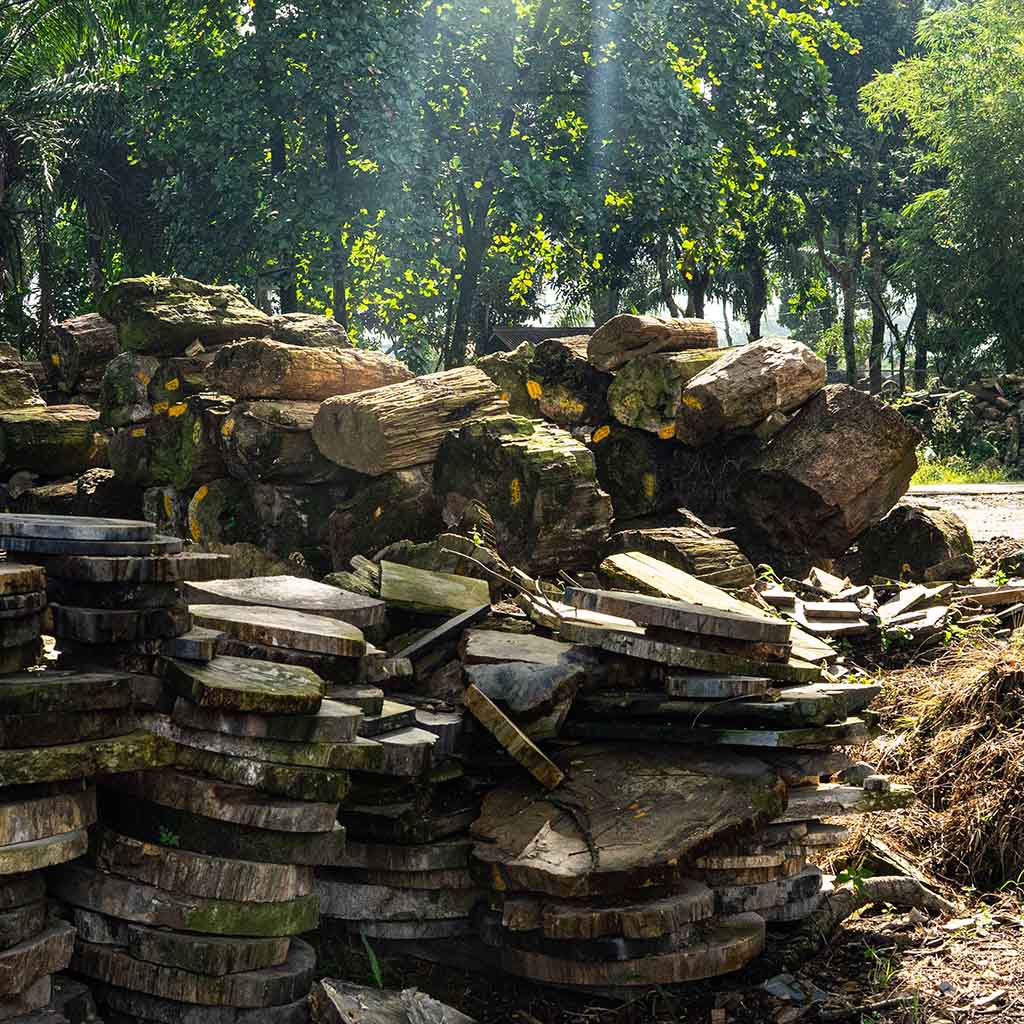
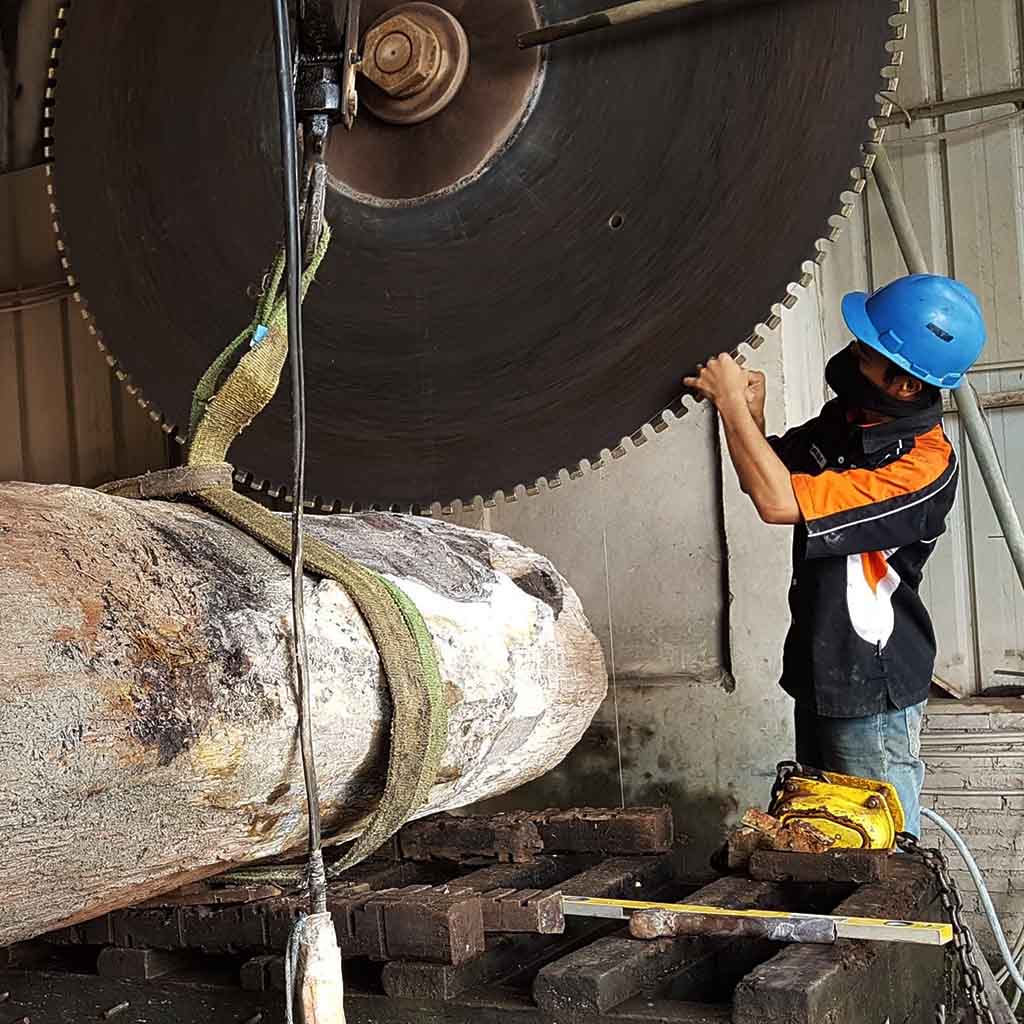
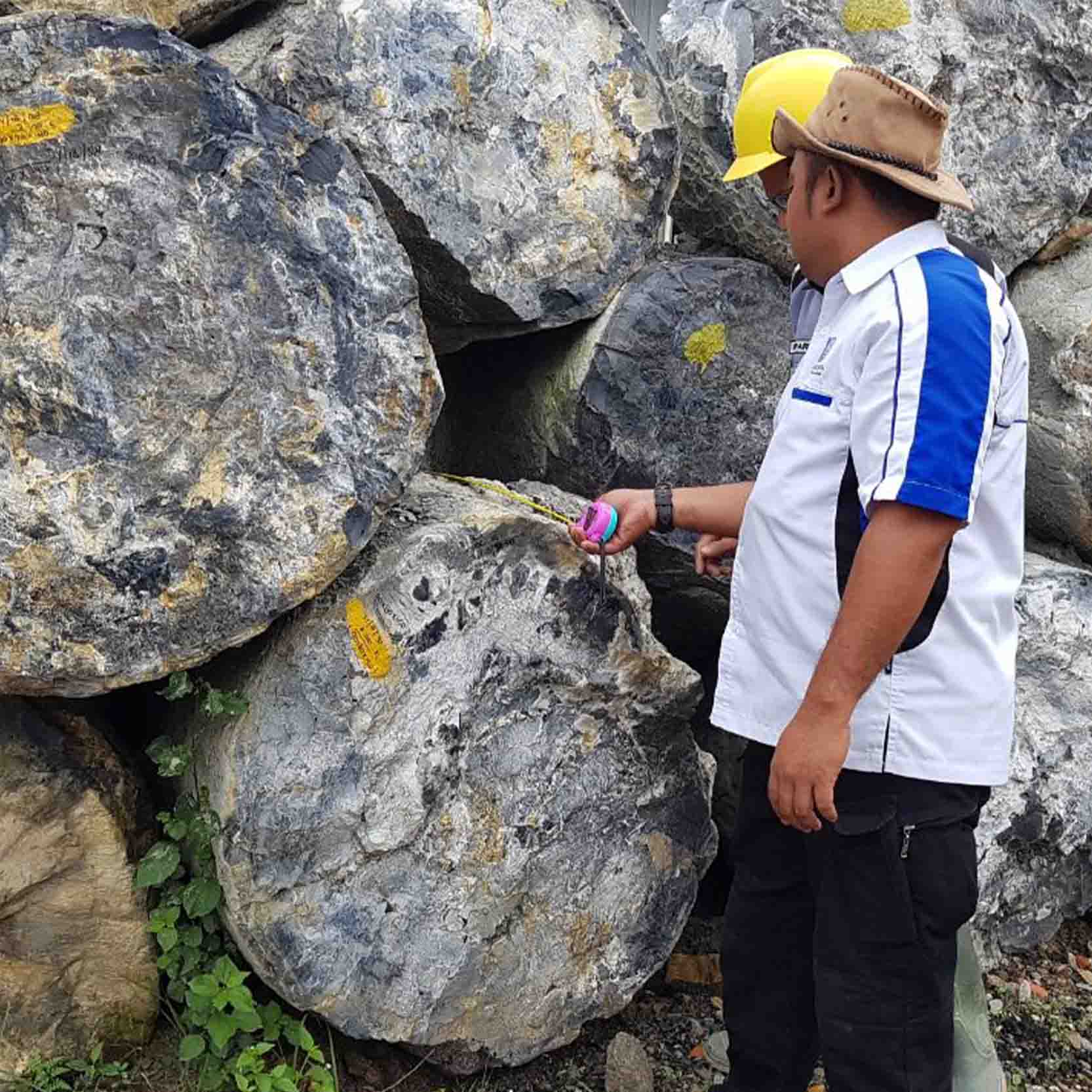
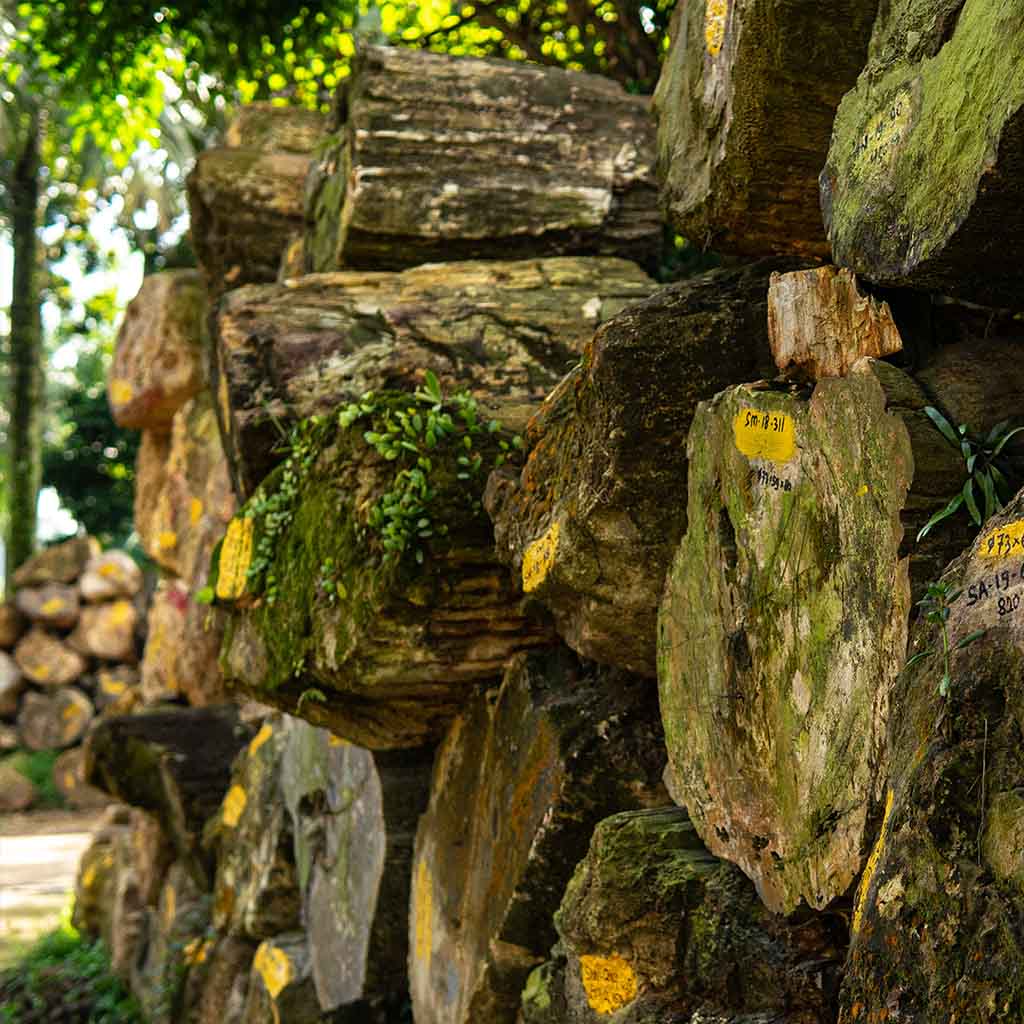
Extracting a massive, multi-ton fossilized tree trunk from deep underground requires heavy machinery, geological precision, and immense labor. Once excavated, slicing a stone log requires specialized diamond-tipped industrial saws, followed by weeks of precise hand-polishing to reveal the crystalline structure inside.
At CV. Karya Bersama, we control this entire supply chain. Since 1983, we have been mining, extracting, and processing petrified wood in Indonesia. We are one of the few private facilities globally capable of processing massive, architectural-scale raw logs into rectangular dining tables and custom commercial installations.
Secure Your Wholesale Supply
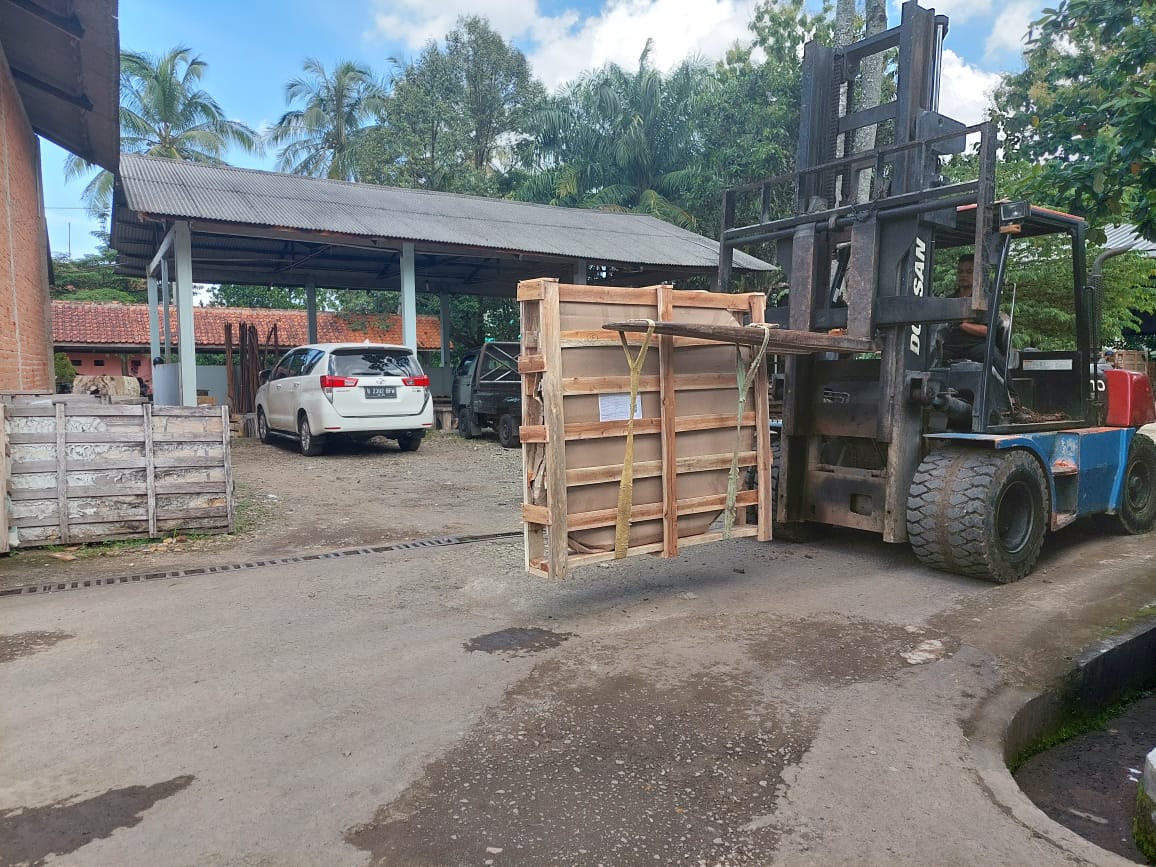
When purchasing luxury stone furniture, the origin and manufacturing capability of your supplier dictate the quality of your final product. Buying directly from a recognized industrial facility eliminates intermediary markups and guarantees structural export crating.
If you are planning an upcoming commercial project, hospitality development, or retail collection, we invite you to explore our capabilities.
Ready to explore the collection?
- Browse the Catalog: View available slabs, tables, and decor at Petrified Wood Indonesia.
- Get a Quote: Contact our export coordination team to discuss container pricing and custom manufacturing.
- Visit the Factory: Traveling to Indonesia? Visit our massive factory and gallery in Bogor, West Java, or view our premium retail collection at the PJ Antique Showroom in Bali.