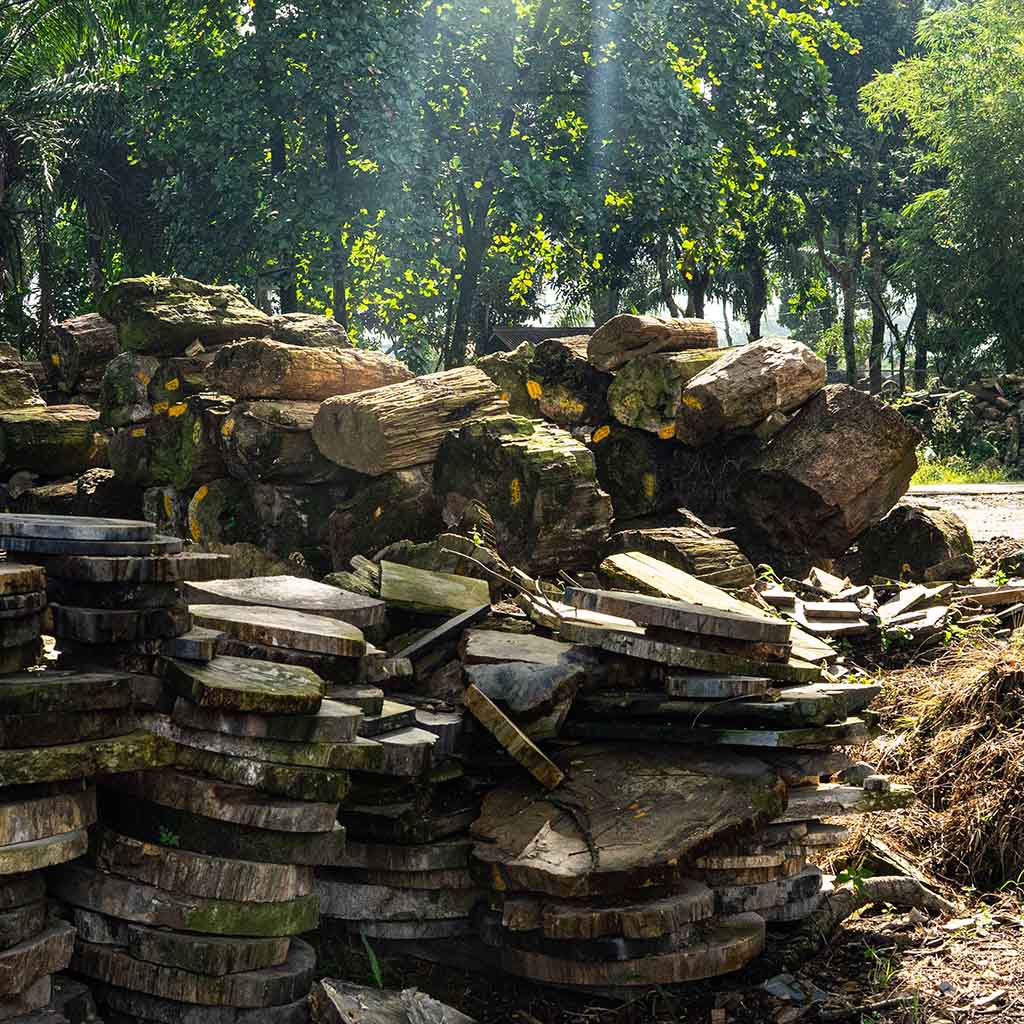
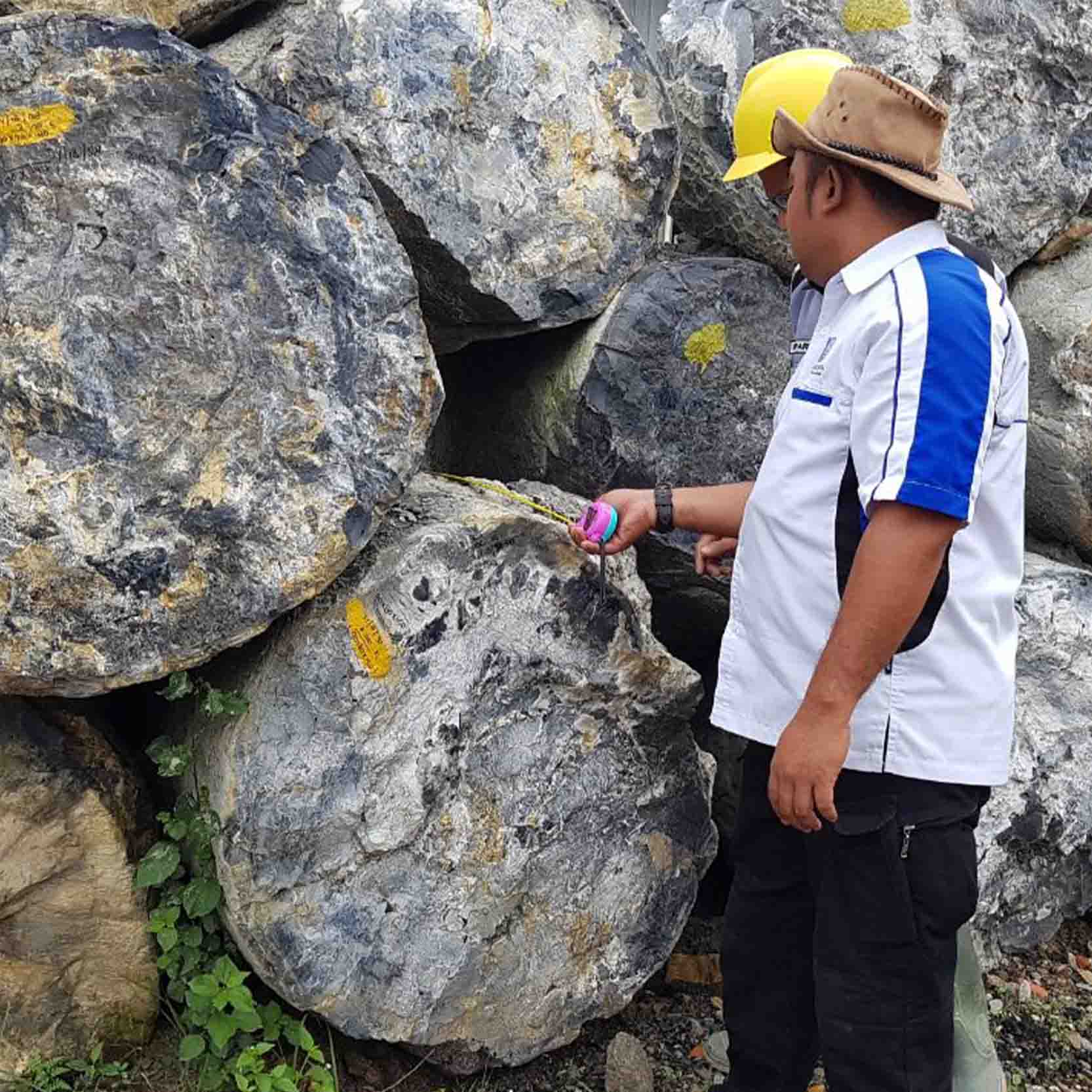
Petrified wood is a profound example of natural transmutation. It represents a precise geological intersection where organic material is perfectly replaced by inorganic minerals over the course of 20 to 40 million years.
For interior designers, architects, and luxury furniture buyers, understanding the science of petrification is critical. This is solid stone, possessing unique structural and aesthetic properties that dictate its value in the commercial market.
“Petrification does not destroy the wood; it memorializes it. The original cellular structure is preserved, but the physical properties become those of solid quartz.”
The Mineralization Process
The transformation from timber to stone is called permineralization. It requires a very specific set of environmental triggers:
- Rapid Anaerobic Burial: A living tree must be rapidly buried under volcanic ash, mud, or sediment. This deprives the organic matter of oxygen, preventing natural biological decay and rot.
- Silica Saturation: Over millions of years, groundwater highly saturated with dissolved minerals (primarily silica) flows through the buried sediment.
- Cellular Replacement: As the original organic plant cells slowly break down, the dissolved silica crystallizes precisely into the empty cellular cavities.
The result is an exact three-dimensional inorganic replica of the original tree, complete with visible growth rings and bark textures.
Architectural Durability and Application
Because the organic matter has been entirely replaced by silica, petrified wood typically registers a 7 to 8 on the Mohs hardness scale. This makes it denser and more durable than many conventional stones and marbles used in architecture today.
- Impervious to Pests: Because it is solid quartz, petrified wood is 100% immune to termites, borers, and all other wood-destroying organisms.
- Weather and Fire Resistance: Petrified wood will not burn, warp, or rot, making it highly suitable for both dramatic outdoor landscaping and interior luxury focal points.
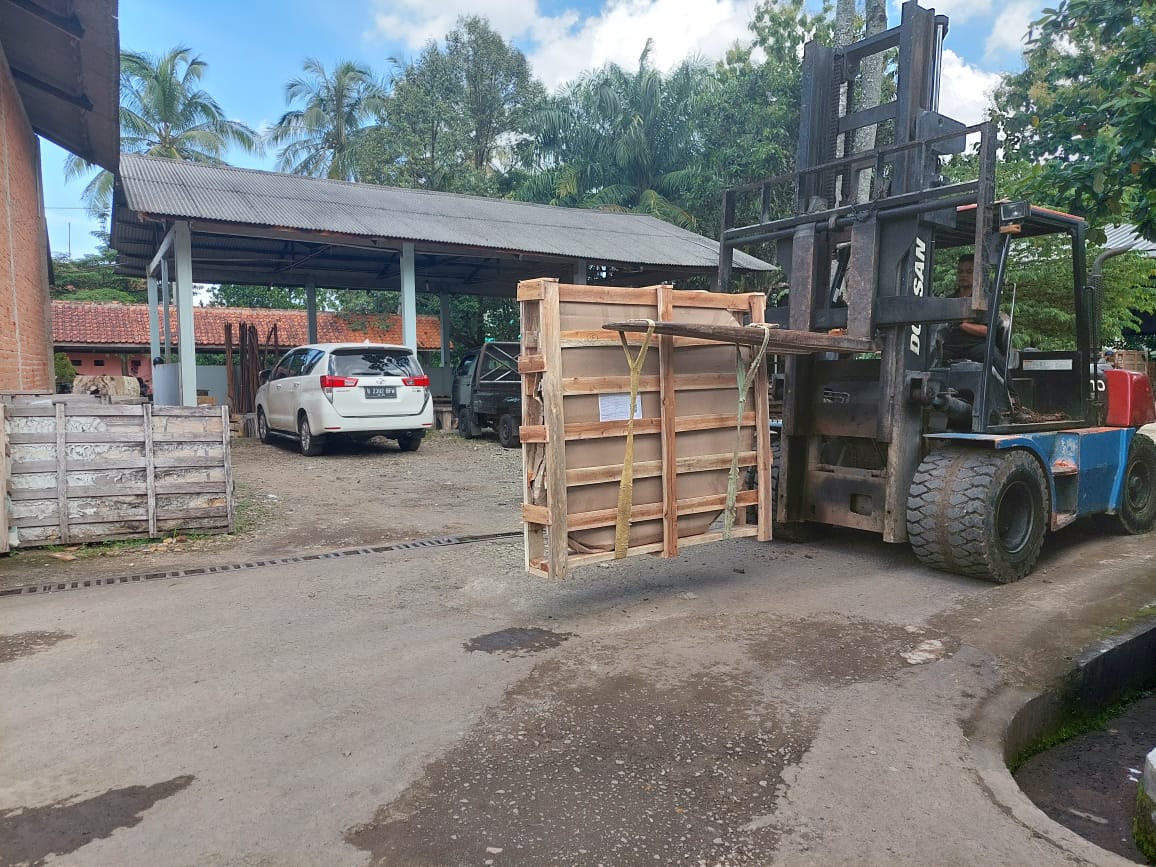
- Structural Weight: A petrified wood dining table can easily weigh several hundred kilograms. It requires industrial extraction, diamond-blade cutting, and heavy-duty structural bases to support it.
The Chemistry of Color
The rich colors found in petrified wood are direct chemical reflections of the minerals present in the groundwater during the permineralization process.
- Black & Charcoal: Indicates the presence of Carbon.
- Red, Brown, & Yellow: Indicates Iron Oxides.
- Green & Blue: Indicates Cobalt, Chromium, or Copper.
In Indonesia, our petrified wood is highly sought after for its stark, high-contrast monochromatic tones (deep blacks and crisp whites), which perfectly complement modern, minimalist architectural design.
Source the Science for Your Next Project
Understanding the geological science behind this material ensures you are investing in a structurally sound, eternal piece of functional art.
Ready to incorporate petrified wood into your architectural project?
- Browse the Collection: Explore our inventory of structurally sound, export-ready pieces at the Petrified Wood Indonesia Catalog.
- Discuss Your Needs: Contact our export team to inquire about custom architectural dimensions and container-scale orders.